Homeowners Insurance Explained: What It Covers (and What It Doesn’t)
Homeowners insurance is the umbrella you hope you never open. Here is what it covers, what it skips (looking at you, floods) and how to avoid buying the wrong policy.
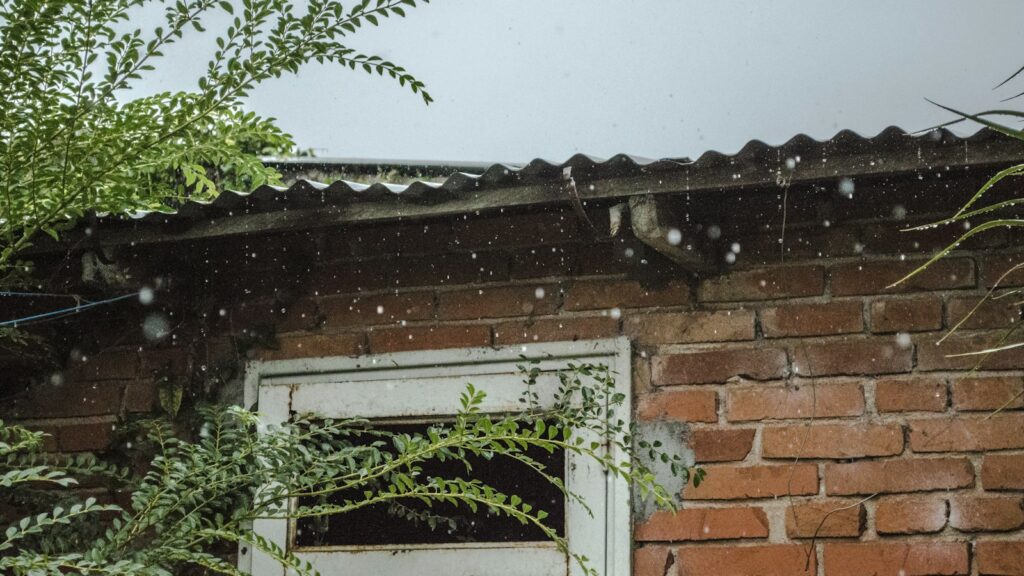
- Homeowners insurance helps pay to repair or rebuild your home and replace your stuff after covered events like fire or windstorms, and covers liability if someone is hurt on your property.
- Your lender will require it if you have a mortgage, and premiums are often paid through your escrow account.
- Standard policies generally do not cover floods or earthquakes. Those need separate coverage.
- Replacement cost beats actual cash value for most homeowners — know which one you have.
- Shop and compare coverage, deductibles and price every year or two.
Homeowners insurance is the umbrella you hope you never open. You pay for it every year, it sits quietly in a drawer (or an escrow account), and then one day a tree decides to lie down on your roof. On that day, it is the best money you ever spent.
Here is a plain-English guide to what it covers, what it does not, how it connects to your mortgage and how to avoid paying for the wrong policy.
Why your lender cares
Your home is the collateral for your mortgage. If it burns down, the lender’s security goes with it. So mortgage lenders require you to keep hazard insurance on the home — usually at least enough to cover the loan or the cost to rebuild. You will typically need proof of coverage before closing, and the first year’s premium often shows up on your Closing Disclosure. Our closing costs explained guide shows where it appears.
Many lenders collect the premium monthly as part of your mortgage payment and pay the insurer from an escrow account. If that sounds unfamiliar, read our escrow explainer.
What a standard homeowners policy covers
The most common policy for single-family homes (often called an HO-3) is usually organized into these coverage parts:
| Coverage | What it pays for | Plain-English example |
|---|---|---|
| Dwelling | The structure of your home | Rebuilding after a kitchen fire |
| Other structures | Detached garage, shed, fence | A storm flattens the fence |
| Personal property | Your belongings | Furniture and electronics damaged in a covered event, or stolen |
| Loss of use | Extra living costs while your home is repaired | Hotel and meals after a covered fire |
| Personal liability | Claims if you are responsible for injury or damage | A guest trips on your steps and sues |
| Medical payments | Minor medical bills for guests hurt on your property | A neighbor’s kid needs stitches |
Exactly which events (“perils”) are covered depends on your policy, so read the declarations page and the exclusions section. Yes, the boring part. Especially the boring part.
What is usually NOT covered
- Flood. Standard homeowners policies generally exclude flood damage. Flood insurance is available through the National Flood Insurance Program (NFIP), run by FEMA, and from some private insurers.
- Earthquakes and earth movement. Usually require a separate policy or endorsement.
- Wear and tear and lack of maintenance. A roof that slowly gave up over 25 years is a maintenance issue, not a sudden accident.
- Pests such as termites.
- Sewer or drain backup — often excluded unless you add an endorsement.
- High-value items like jewelry may have low limits unless you schedule them separately.
Replacement cost vs actual cash value
| Replacement cost | Actual cash value (ACV) | |
|---|---|---|
| Pays | Cost to repair or replace with similar new materials/items | Replacement cost minus depreciation |
| Premium | Higher | Lower |
| Example: 8-year-old TV destroyed | Roughly the price of a comparable new TV (minus deductible) | What an 8-year-old TV is worth — which might be very little |
Also make sure your dwelling coverage reflects what it would cost to rebuild your home, not its market price. Land does not burn, and construction costs can be very different from what you paid for the house.
How deductibles work
Your deductible is the amount you pay out of pocket on a claim before insurance kicks in. Higher deductibles usually mean lower premiums. In some areas, policies have separate deductibles for wind or hurricane damage, sometimes set as a percentage of your dwelling coverage rather than a flat dollar amount — check yours.
Insurance is part of your real monthly housing cost, so include it when you budget. Our mortgage calculator and home affordability calculator let you add taxes and insurance to see the full picture — and the $100K affordability guide shows how much these costs shift your price range.
What if your insurance lapses?
If your coverage is canceled or lapses, your servicer can buy insurance for you — called force-placed insurance — and charge you for it. The CFPB notes that force-placed insurance is often much more expensive than a policy you buy yourself and may protect only the lender’s interest. Under federal mortgage servicing rules, servicers must send you notices before charging you for it, so open your mail and respond quickly.
How to shop for homeowners insurance
- Start early — ideally as soon as you are under contract, because some homes are harder to insure than others.
- Compare at least three quotes with the same coverage amounts and deductibles, so you are comparing apples to apples.
- Ask about discounts — bundling with auto, security systems, newer roofs and claims-free history.
- Check the insurer’s complaint record with your state insurance department.
- Review every year. Renovations, new valuables and rising building costs can leave you underinsured.
- Make a home inventory. Walk through with your phone camera. Future-you will be grateful.
Homeowners insurance vs mortgage insurance
These are not the same. Homeowners insurance protects you (and the lender’s collateral) against damage and liability. Mortgage insurance, such as PMI or FHA mortgage insurance, protects the lender if you stop paying the loan. Learn more in our PMI guide.
FAQ
Is homeowners insurance required by law?
No state law generally requires it for owners without a mortgage, but mortgage lenders require it as a condition of the loan.
How much homeowners insurance do I need?
Enough dwelling coverage to rebuild your home, enough personal property coverage for your belongings, and liability limits that protect your assets. Your lender sets minimums; your situation may call for more.
Does homeowners insurance cover a leaking roof?
It may cover sudden damage from a covered event, like a storm, but usually not leaks from age, wear and tear or poor maintenance.
Do condo owners need homeowners insurance?
Usually yes — a condo (HO-6) policy covers your unit’s interior and belongings, while the association’s master policy covers shared parts. Check your HOA documents.
Can I change insurers if my premium is paid from escrow?
Yes. Buy the new policy, send proof to your servicer and cancel the old one only after the new one is active, so there is no gap. Any refund from the old insurer typically goes to you or back to escrow.
Sources: Consumer Financial Protection Bureau (homeowners insurance, escrow and force-placed insurance rules); Federal Emergency Management Agency / National Flood Insurance Program (flood insurance requirements and waiting period); National Association of Insurance Commissioners and state insurance departments (consumer guidance). Keys & Coffee is an independent education site, not a lender or insurer, and is not affiliated with Axia Home Loans. General information only.
Keys & Coffee is an independent education site. We are not a lender or mortgage broker, we do not take loan applications or payments, and nothing here is financial advice. This site is not affiliated with Axia Home Loans, Axia Financial, LLC, or Planet Home Lending. Rates and rules change often — always confirm details with a licensed loan officer and check any lender on the NMLS Consumer Access site.
Keep reading

Earnest Money Explained: How Much, Who Holds It and How to Get It Back
Earnest money is your "I'm serious" deposit when a seller says yes. Here is how much is typical, who holds it and…
New UAD 3.6 Appraisal Report Is Now Required on Conventional Loans: What Buyers and Refinancers Should Know
As of November 2, 2026, appraisals on conventional loans must use the redesigned UAD 3.6 report. Here is what changes, what does…

Home Inspection Explained: What Inspectors Check (and What to Do Next)
Listing photos can hide a leaky roof and a grumpy furnace. Here is what a home inspection checks, what it costs extra…