Home Inspection Explained: What Inspectors Check (and What to Do Next)
Listing photos can hide a leaky roof and a grumpy furnace. Here is what a home inspection checks, what it costs extra and how to use the report to negotiate.
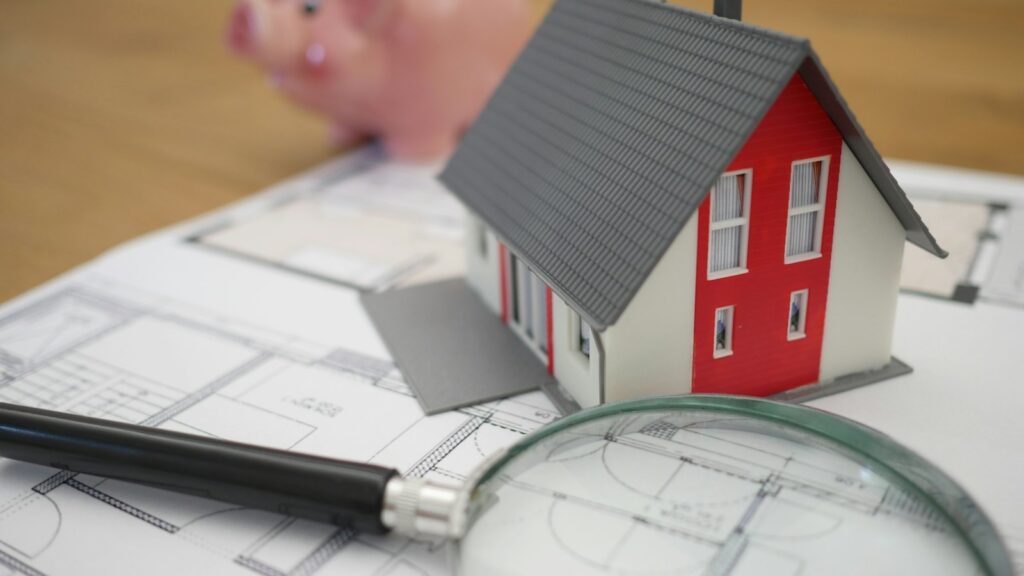
- A home inspection is a visual check of a home’s condition — roof, structure, plumbing, electrical, heating and cooling and more — done by a professional you hire.
- It is not an appraisal. The appraisal tells the lender what the home is worth; the inspection tells you what you are getting.
- Lenders usually do not require one, but skipping it is like buying a used car without looking under the hood.
- An inspection contingency in your contract can give you time to negotiate repairs, ask for a credit or walk away.
- Specialty tests such as radon, sewer line, termite or lead paint may be extra.
A house can look gorgeous in listing photos and still be hiding a leaky roof, a tired furnace or wiring that predates the moon landing. The home inspection is your chance to find out before the house becomes your problem.
Think of it as a full physical for the building. You would not marry someone after one great dinner; do not buy a house after one great open house.
What is a home inspection?
A home inspection is a non-invasive, visual examination of a home’s major systems and components. A licensed or certified inspector (rules vary by state) walks through the property, pokes into the attic and crawlspace, runs the faucets, tests outlets and appliances and then writes up a report — usually with photos — describing what they found.
“Non-invasive” is the key phrase. Inspectors do not open up walls, pull up carpet or dismantle the furnace. They report what they can see and access, and flag anything that deserves a closer look by a specialist.
Home inspection vs appraisal
| Home inspection | Appraisal | |
|---|---|---|
| Who it’s for | You, the buyer | The lender |
| Main question | What condition is the home in? | What is the home worth? |
| Required? | Usually optional (but strongly recommended) | Usually required for a mortgage |
| Who picks the pro | You | Lender orders it through an independent process |
| Output | Detailed condition report | Value estimate report |
What does a home inspector check?
Exact scope depends on your state’s standards and the inspector, but a typical general inspection covers:
- Roof: shingles, flashing, gutters, signs of leaks.
- Structure and foundation: cracks, sagging, water intrusion.
- Exterior: siding, grading and drainage, decks, porches.
- Plumbing: visible pipes, water heater, drainage, water pressure.
- Electrical: panel, visible wiring, outlets, GFCI protection.
- HVAC: furnace, air conditioning and how they operate.
- Interior: walls, ceilings, floors, windows, doors, stairs.
- Attic and insulation, ventilation.
- Built-in appliances (often) and smoke/CO alarms.
What usually costs extra
- Radon testing. The EPA recommends testing homes for radon, a naturally occurring radioactive gas, and suggests fixing homes at or above 4 picocuries per liter.
- Wood-destroying insect (termite) inspection. Some loans or regions require it.
- Sewer scope: a camera down the main line. Great for older homes with big trees.
- Lead-based paint testing. For homes built before 1978, federal rules generally give buyers a 10-day opportunity to test for lead-based paint hazards, unless they waive it.
- Mold, well water, septic, pool, chimney — case by case.
When does the inspection happen?
Usually right after your offer is accepted. Your purchase contract may include an inspection contingency — a window (often a set number of days) to inspect and respond. Book the inspector as soon as you sign; good inspectors get busy, and that window flies by.
Try to attend. Following the inspector around is the best free home-maintenance class you will ever get. Ask where the water shut-off is, how old the water heater looks and which issues are “fix now” versus “keep an eye on it.”
How to read the inspection report without panicking
Every report is long, and every house has issues — even brand-new ones. Sort findings into three buckets:
| Bucket | Examples | What to do |
|---|---|---|
| Safety or major | Electrical hazards, active roof leak, structural concerns, gas leaks | Get a specialist opinion and repair estimate; negotiate |
| Expensive soon | Aging roof, old HVAC or water heater | Budget for it or ask for a credit |
| Cosmetic or minor | Loose handrail, missing caulk, sticky door | Add to your weekend to-do list |
Your options after the inspection
- Proceed as is. Nothing major found? Great.
- Ask the seller to make repairs before closing.
- Ask for a credit or price reduction so you can handle repairs yourself.
- Walk away within your contingency period, if your contract allows it — usually without losing your earnest money.
If you get a credit, ask your lender how it can be applied — credits are often used toward closing costs. Our closing cost calculator and closing costs guide can help you see where that money lands.
How to choose a home inspector
- Check your state’s licensing requirements and verify the license, if your state has one.
- Ask for a sample report. Clear photos and plain-English summaries are a good sign.
- Ask what is included and what is extra.
- Ask about insurance (errors and omissions, general liability).
- Pick someone who works for you. You can take recommendations, but you make the hire.
Should you ever skip the inspection?
In hot markets, some buyers waive inspections to make their offer stand out. That can save a few days and win a bidding war — but it means taking the house’s surprises at full price. A middle ground: do an “informational only” inspection, so you know what you are buying even if you do not plan to negotiate.
Remember that repairs come on top of your mortgage payment. Before you commit, run the numbers in our mortgage calculator and leave room in your budget for the things the report says will need attention.
FAQ
Who pays for the home inspection?
Usually the buyer, since the buyer hires the inspector. It is generally paid directly to the inspector around the time of the inspection, not rolled into the loan.
How long does a home inspection take?
It depends on the size, age and condition of the home. A typical single-family inspection often takes a few hours, and the report usually arrives shortly after.
Can a house “fail” an inspection?
Not really. A home inspection is a report, not a pass/fail test. It is up to you to decide whether the findings are deal-breakers.
Is a home inspection required for an FHA or VA loan?
Generally no. The lender requires an appraisal, but the inspection is your choice. HUD strongly encourages FHA buyers to get one.
Should I inspect a newly built home?
Yes, many experts recommend it. New homes can still have installation mistakes, and a builder’s warranty is easier to use when problems are documented early.
Sources: U.S. Department of Housing and Urban Development (HUD) / FHA (“For Your Protection: Get a Home Inspection”); Consumer Financial Protection Bureau (home buying guidance); U.S. Environmental Protection Agency (radon guidance and Lead-Based Paint Disclosure Rule). Keys & Coffee is an independent education site, not a lender, and is not affiliated with Axia Home Loans. General information only.
Keys & Coffee is an independent education site. We are not a lender or mortgage broker, we do not take loan applications or payments, and nothing here is financial advice. This site is not affiliated with Axia Home Loans, Axia Financial, LLC, or Planet Home Lending. Rates and rules change often — always confirm details with a licensed loan officer and check any lender on the NMLS Consumer Access site.
Keep reading
Homeowners Insurance Explained: What It Covers (and What It Doesn’t)
Homeowners insurance is the umbrella you hope you never open. Here is what it covers, what it skips (looking at you, floods)…

Earnest Money Explained: How Much, Who Holds It and How to Get It Back
Earnest money is your "I'm serious" deposit when a seller says yes. Here is how much is typical, who holds it and…

New UAD 3.6 Appraisal Report Is Now Required on Conventional Loans: What Buyers and Refinancers Should Know
As of November 2, 2026, appraisals on conventional loans must use the redesigned UAD 3.6 report. Here is what changes, what does…