Builders Pull Back: Housing Starts Fell 5.2% in September
Builders started fewer homes in September and pulled fewer permits. Here's what that means for new-home deals now and supply next year.
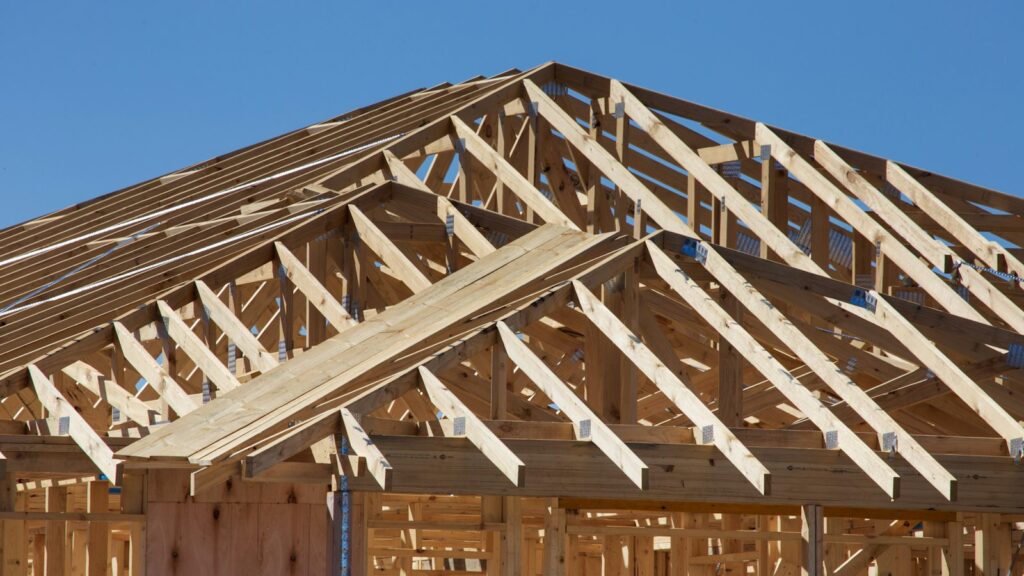
- The news: U.S. housing starts fell 5.2% in September 2026 to a 1.221 million annual pace, per the Census Bureau and HUD (released October 20).
- Single-family: Starts dipped 4.6% from August but were still 2.6% above a year ago.
- Warning light: Single-family permits, a sign of future building, fell 4.0% to 845,000.
- For buyers: Fewer new homes later can mean less choice, but builders with homes to sell now are often offering deals.
Builders are like the canary in the housing coal mine. When they get nervous, they pull back on new projects months before buyers feel it. September’s numbers show some of that nervousness.
Here’s what the latest construction report says and how it could shape your options if you’re shopping for a home over the next year.
The September numbers
The Census Bureau tracks three steps of home building: permits (approval to build), starts (digging begins) and completions (keys are ready). All figures below are seasonally adjusted annual rates.
| Measure | September 2026 | vs. August | vs. Sept 2025 |
|---|---|---|---|
| Building permits | 1,400,000 | -0.2% | -3.0% |
| Housing starts | 1,221,000 | -5.2% | -7.4% |
| Completions | 1,192,000 | +2.2% | -14.0% |
| Single-family permits | 845,000 | -4.0% | -4.8% |
| Single-family starts | 859,000 | -4.6% | +2.6% |
One honest caveat: the Census Bureau says several of these monthly changes, including the drop in total starts, are within the survey’s margin of error. The year-over-year fall in completions is the one it calls statistically clear. So think of this as a cooling trend, not a collapse.
Why builders are easing off
Building is a bet on future buyers, and that bet got harder this fall. Mortgage rates climbed above 7% in late September, and NAR’s index of signed contracts on existing homes fell to a record low the same month. On top of that, many builders borrow to fund construction, and those short-term loans got pricier after the Fed’s September rate hike.
Permits matter most here. A builder pulls a permit before breaking ground, so the 4.0% drop in single-family permits hints that fewer new houses will be starting in the months ahead. About 279,000 units were already permitted but not yet started at the end of September, according to the same report.
What it means for buyers
Short term: possible deals on new homes
Builders who already have finished or nearly finished homes need to sell them. In a slow market, many do that with incentives instead of price cuts: paying closing costs, offering upgrades, or buying down the mortgage rate. Before you accept a buydown, learn how mortgage points work so you can compare it with a straight price cut.
On a $400,000 30-year loan, principal and interest only:
- At 7.24%: about $2,726/month
- If a builder buys the rate down to 6.60%: about $2,555/month
That’s about $171 a month. Ask whether the lower rate is permanent or only for the first year or two.
Longer term: tighter supply
Fewer starts now can mean fewer new homes for sale in 2027. If demand picks up when rates ease, that could keep prices firm. That’s one reason home prices have kept edging up nationally even with 7% rates.
Smart moves if you’re shopping now
- Compare the builder’s lender with outside lenders. Incentives can come with a higher rate or fees elsewhere. Get at least two Loan Estimates.
- Get pre-approved first. It shows you’re serious and helps you negotiate. Here’s the pre-approval vs. pre-qualification difference.
- Budget for closing costs. Even with credits, you’ll likely pay some. Estimate them with the closing cost calculator.
- Check loan programs. Many new homes qualify for FHA or VA financing, which can lower your down payment.
Then run the full payment, including taxes and insurance, in the mortgage calculator.
What to watch next
The October construction report is scheduled for November 18, 2026. If single-family permits keep sliding, expect builders to lean even harder on incentives through the winter.
FAQ
How many housing starts were there in September 2026?
Starts ran at a seasonally adjusted annual rate of 1,221,000, down 5.2% from August and 7.4% from September 2025, according to the Census Bureau and HUD.
What’s the difference between housing starts and building permits?
A permit is official approval to build. A start is when construction actually begins. Permits usually come first, so they’re a hint about future starts.
Is now a good time to buy a new-construction home?
It can be a good time to negotiate, because builders with unsold homes often offer incentives. Compare total costs, not just the rate, and make sure the payment fits your budget.
Do fewer housing starts make home prices go up?
Over time, less new supply can support prices, especially if demand returns. In the short term, high rates are keeping demand in check too.
Sources: U.S. Census Bureau and HUD, New Residential Construction, September 2026 (October 20, 2026); National Association of Realtors Pending Home Sales report; Freddie Mac Primary Mortgage Market Survey. This article is general education, not financial advice. Keys & Coffee is not a lender.
Keys & Coffee is an independent education site. We are not a lender or mortgage broker, we do not take loan applications or payments, and nothing here is financial advice. This site is not affiliated with Axia Home Loans, Axia Financial, LLC, or Planet Home Lending. Rates and rules change often — always confirm details with a licensed loan officer and check any lender on the NMLS Consumer Access site.
Keep reading

How to Read a Loan Estimate: A Page-by-Page Guide (Without the Headache)
The Loan Estimate is the mortgage world's nutrition label: three pages that tell you what is really inside the loan. Here is…
Pending Home Sales Hit a Record Low: What It Means for Buyers
Signed home contracts just hit the lowest level NAR has ever recorded. Bad news for the market, maybe good news for your…

What Is Escrow? The Two Kinds Every Home Buyer Meets (Explained Simply)
Escrow is the trusted middle-person of home buying — twice. Here is why your payment changed and what a shortage really means.