Investment Property Mortgage: Down Payment, Rates and Rules
Buying a rental? Here is how investment property mortgages work: the 15% and 25% down payment rules, why rates are higher, how lenders count rent and what reserves you need.
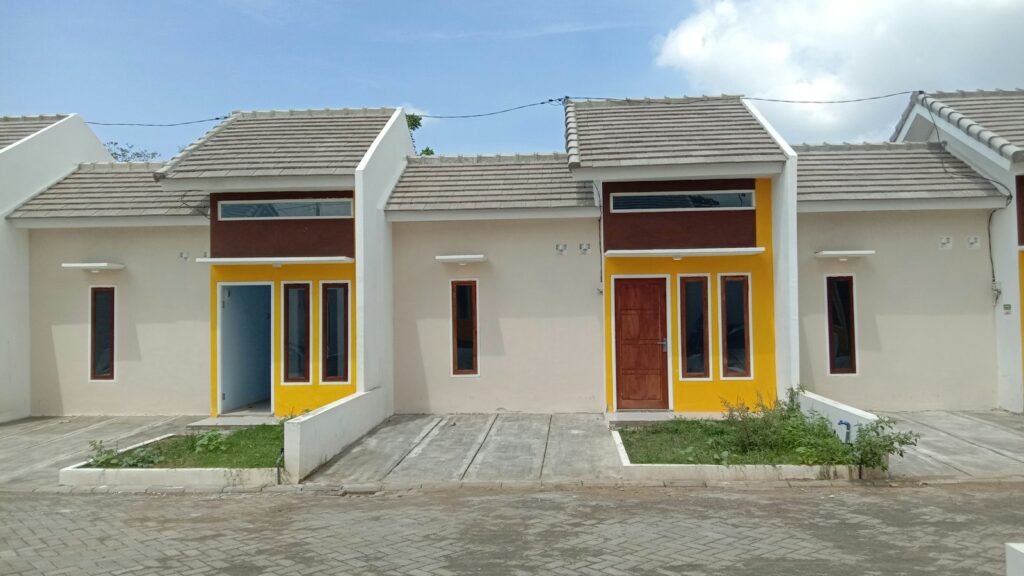
- Minimum down payment: 15% for a 1-unit rental and 25% for a 2–4 unit rental on a conventional loan (Fannie Mae and Freddie Mac limits).
- FHA and VA won’t work for a pure rental. They are for homes you live in. Living in one unit of a duplex is the big exception.
- Rates are higher than on a home you live in, because lenders pay extra pricing fees on investment loans.
- Rental income can help you qualify, but lenders usually count only about 75% of the rent.
- Expect to show cash reserves: months of payments sitting in the bank after closing.
Buying a rental is a bit like adopting a cat that pays you rent. Lovely idea, but the paperwork is stricter than for the home you live in. Lenders know that when money gets tight, people pay the mortgage on their own house first and the rental second. So they ask for more cash, charge a bit more, and look closer at your numbers.
Here’s how an investment property mortgage works in plain English, what it really costs, and how to get one without surprises.
What counts as an “investment property”?
To a lender, the label depends on who lives there, not what you call it:
- Primary residence: you live there most of the year.
- Second home: a place you use yourself part of the year, like a lake cabin. (See our second home mortgage guide.)
- Investment property: you don’t live there; you rent it out or plan to sell it for profit.
Be honest on this question. Calling a rental your “primary home” to get a cheaper loan is occupancy fraud, and that’s a federal crime, not a clever hack.
How much down payment do you need?
Most rental loans are conventional loans sold to Fannie Mae or Freddie Mac. Their eligibility rules set the maximum loan-to-value (LTV):
| Property | Max LTV (purchase) | Minimum down |
|---|---|---|
| 1-unit rental (house, condo, townhome) | 85% | 15% |
| 2–4 unit rental (you don’t live there) | 75% | 25% |
| 2–4 unit where you live in one unit | Much higher (owner-occupied rules) | As little as 5% conventional, 3.5% FHA |
15% down on a single-unit rental is the floor, but at that level you’ll pay mortgage insurance plus steep pricing fees. That’s why many investors put down 20–25%.
- 15% down ($52,500): loan $297,500 → about $2,131/month
- 20% down ($70,000): loan $280,000 → about $2,006/month
- 25% down ($87,500): loan $262,500 → about $1,881/month
Taxes, insurance and any mortgage insurance come on top. The rate is only an example; your quote depends on credit score, down payment and the lender.
Why rental rates are higher
Fannie Mae adds a loan-level price adjustment (LLPA) to investment loans. It’s an upfront fee charged as a percentage of the loan, and it gets bigger as your down payment gets smaller. Lenders usually turn that fee into a higher interest rate rather than asking you for cash. The result is that a rental loan often costs noticeably more than the same loan on your own home.
Want to see how even a small rate change moves the payment? Try our mortgage calculator with two rates side by side.
How lenders count rental income
Lenders don’t count every rent dollar, because houses sit empty sometimes and things break. A common rule is to use 75% of the expected rent and treat the other 25% as vacancy and repairs. The expected rent usually comes from a signed lease or the appraiser’s rent estimate.
Your debt-to-income ratio (DTI) still matters a lot. Our DTI calculator shows where you stand before you apply, and our DTI guide explains the limits.
Cash reserves: the “rainy day” test
For rentals, lenders want proof you can keep paying if a tenant leaves or the roof leaks. Expect to show several months of the full mortgage payment (principal, interest, taxes, insurance) in savings or retirement accounts after closing. If you already own other financed properties, the requirement grows. Your lender’s automated underwriting system decides the exact number.
Your loan options
| Loan type | Good for | Watch out for |
|---|---|---|
| Conventional (Fannie/Freddie) | Most 1–4 unit rentals with normal income | 15–25% down, higher rates, reserves |
| FHA or VA “house hack” | Buying a 2–4 unit and living in one unit | You must actually move in; property rules apply |
| DSCR loan (non-QM) | Investors who qualify on the property’s rent instead of personal income | Usually higher rates and bigger down payments |
| Portfolio loan from a local bank | Unusual properties or many rentals | Terms vary a lot by bank |
| Cash-out refinance on your home | Using home equity as the rental’s down payment | Puts your own home on the line; see our cash-out refinance guide |
Run the numbers before you fall in love
A rental that looks great on a listing can lose money every month. Before you make an offer, add up:
- Mortgage principal and interest
- Property taxes and landlord insurance (usually pricier than homeowners insurance)
- HOA dues, if any
- Repairs and maintenance (many owners budget 1% of the home’s value per year)
- Vacancy (a month or two without rent each year is normal)
- Property management, if you won’t do it yourself
If rent minus all of that is close to zero, the “investment” is really just a very expensive hobby. Our rent vs. buy calculator and closing cost calculator help you see the full upfront and monthly picture.
Step-by-step: getting approved
- Check your credit. Better scores get lower pricing fees. Our credit score guide shows what moves the needle.
- Save the down payment plus reserves. Lenders generally want the down payment for a rental to come from your own funds.
- Get pre-approved for an investment loan specifically, so the lender prices the right occupancy from day one.
- Get rent estimates from local listings or a property manager before you offer.
- Compare at least three lenders. Investment pricing varies more than owner-occupied pricing. Our guide on how to compare mortgage lenders walks you through it.
FAQ
Can I buy a rental with 10% down?
Not with a standard conventional investment loan; the minimum is 15% for one unit and 25% for two to four units. The low-down-payment route is buying a 2–4 unit property and living in one unit, which follows owner-occupied rules.
Can I use an FHA loan for an investment property?
Not for a property you won’t live in. FHA loans require you to occupy the home. You can use FHA to buy a duplex, triplex or fourplex if you live in one of the units.
What credit score do I need for a rental property loan?
Conventional rules allow scores in the 600s, but pricing gets much better as your score rises. Many lenders also set their own higher minimums for investment loans.
Can I turn my current home into a rental later?
Yes. If you lived there as your primary home as promised and later move out, you can usually rent it. Your existing loan normally stays in place. Tell your insurance company so you switch to a landlord policy.
Is a DSCR loan better than a conventional loan?
Not usually on price. DSCR loans help when your tax returns don’t show enough income, because they look at whether the rent covers the payment. Expect higher rates and fees in exchange for that flexibility.
Sources: Fannie Mae Eligibility Matrix and Selling Guide; Fannie Mae Loan-Level Price Adjustment Matrix; Freddie Mac Single-Family Seller/Servicer Guide; HUD Handbook 4000.1; CFPB. This article is general education, not financial advice. Keys & Coffee is not a lender.

Written by
Shivam Kaushik· IMSHIVA
Founder & Director, QuibbleTech Solutions Pvt Ltd · Editor, Keys & Coffee
Shivam Kaushik is the founder of QuibbleTech Solutions Pvt Ltd and the editor of Keys & Coffee. He is not a licensed loan officer or financial adviser. Every guide here is written in plain English and checked against official sources such as the CFPB, HUD, Fannie Mae, Freddie Mac and the Federal Reserve. For advice on your own loan, talk to a licensed lender.
Keys & Coffee is an independent education site. We are not a lender or mortgage broker, we do not take loan applications or payments, and nothing here is financial advice. This site is not affiliated with Axia Home Loans, Axia Financial, LLC, or Planet Home Lending. Rates and rules change often — always confirm details with a licensed loan officer and check any lender on the NMLS Consumer Access site.
Keep reading

Second Home Mortgage: Down Payment, Rules and How to Qualify
Buying a vacation home? Second home mortgages usually need 10% down and stricter rules than a primary home. Here's what lenders look…
Piggyback Loans (80/10/10) Explained: Skip PMI With 10% Down?
A piggyback 80/10/10 loan can help you skip PMI or avoid a jumbo loan. Here's how it works, a side-by-side cost comparison…

Some Lenders Already Treat $845,000 as “Conforming” Before the Official 2027 Limit. What That Means for Your Loan
Big lenders are already lending up to $845,000 as conforming, ahead of FHFA's 2027 announcement expected in late November. Who benefits, and…