California Prop 37 Passed: How the $25 Billion Homebuyer Loan Program Works
California voters approved Prop 37, a state-run second mortgage covering up to 17% of a new home's price. Here's who qualifies and the catches.
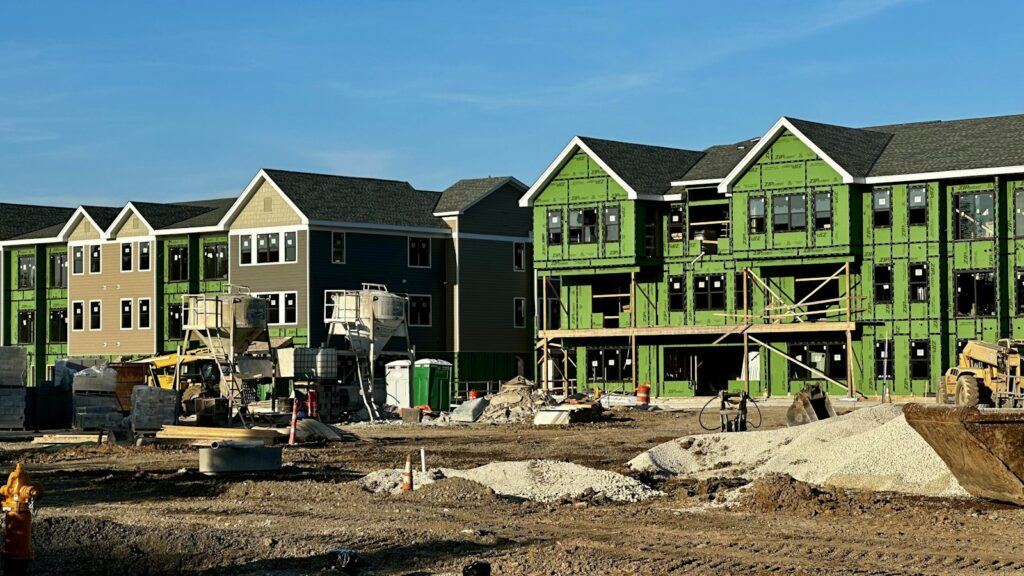
- California voters approved Proposition 37 on November 3, 2026, according to the Associated Press. It was winning with about 61% of the vote.
- It lets the California Housing Finance Agency (CalHFA) borrow up to $25 billion from private bond investors to make down payment loans.
- The loan can cover up to 17% of the price of a newly built home. Buyers put down at least 3%.
- It’s a loan you repay, not a grant, and it isn’t open yet. CalHFA has until about late 2027 to launch it.
California has some of the most expensive homes in the country. The California Association of Realtors put the state’s median single-family price at about $894,630 in the third quarter. Saving 20% of that is close to $180,000. For a lot of middle-income families, the down payment is the wall.
On election night, California voters said yes to a new idea for getting over that wall: a state-run second mortgage. Here’s how Prop 37 works, who can use it, and the catches nobody should skip.
How Prop 37 works
You still get a normal first mortgage from a bank, credit union or broker. Then the state offers a second loan that covers most of the down payment. Put the two together and you can reach 20% equity on day one, which usually means no private mortgage insurance (PMI).
| Feature | What voters approved |
|---|---|
| Total program size | Up to $25 billion in revenue bonds |
| Loan size | Up to 17% of the purchase price |
| Your minimum down payment | 3% |
| Eligible homes | Newly built homes or condos only |
| Income limit | Up to 200% of area median income |
| Price cap | 125% of the local conforming loan limit (roughly $1.04 million in most counties and about $1.56 million in the priciest) |
| Other rules | California resident, owner-occupied |
Because the money comes from private investors and is paid back by borrowers, supporters and most outside experts agree it isn’t expected to cost state taxpayers. No official argument against Prop 37 was filed in the voter guide.
What it could look like in dollars
A newly built $700,000 home, using this week’s Freddie Mac average of 7.18% for the first mortgage (30-year, principal and interest only):
- You put down 3%: $21,000
- Prop 37 loan covers 17%: $119,000
- First mortgage covers 80%: $560,000, about $3,794/month
The second loan’s rate hasn’t been set. If it were 6%, that’s about $713/month; at 7%, about $792; at 8%, about $873 (assuming a 30-year term, which also isn’t set yet). Compare that with borrowing $679,000 on one loan at 7.18%: about $4,600/month plus PMI.
So the big win is the smaller cash needed up front, not a smaller monthly bill. Run your own scenario with the mortgage calculator and check the debt side with the DTI calculator.
The catches
- The interest rate is the big unknown. Investors take on risk, and CalMatters reported that critics worry the loans may not be cheap enough to help the people who need them most. Supporters say foundations or other investors could buy the bonds at lower rates, but none had been named.
- Two payments, not one. A second mortgage adds a monthly bill, which affects your debt-to-income ratio. Lenders will look at both. See our guide to debt-to-income ratio.
- New homes only. Resale homes don’t qualify. That narrows choices, though supporters say it should encourage more building.
- It isn’t available yet. The law takes effect after the results are certified (due December 11). Then CalHFA needs to write rules, sign up lenders and sell bonds. Expect late 2027.
Prop 1 also passed
Voters also approved Proposition 1, an $11.25 billion general obligation housing bond. Nearly two-thirds goes to apartment buildings for low-income Californians, including people facing homelessness. The rest is split among programs including low-cost home loans for low-income buyers and veterans, plus farmworker, student and tribal housing. Supporters estimate it could fund close to 40,000 affordable units.
What California buyers can do now
- Prop 37 won’t help if you’re buying in the next year. Look at programs open today. Our guide to down payment assistance explains the main types.
- Learn how piggyback (80/10/10) loans work. Prop 37 is a state-run cousin of the same idea, using a second mortgage to avoid PMI.
- Compare costs of the two-loan route vs. one loan with PMI. Our PMI guide covers how PMI can be removed later.
What to watch next
- December 11: California certifies the election results.
- 2027: CalHFA rulemaking, lender sign-ups and the first bond sales. The interest rate and loan term will be the details to watch.
- Late November: FHFA usually announces next year’s conforming loan limits, which affect Prop 37’s price cap.
FAQ
Did California Prop 37 pass?
Yes. The Associated Press projected it passed on election night, November 3, 2026, with about 61% of the vote in early counts.
When can I apply for a Prop 37 loan?
Not yet. CalHFA must first create the program, and that’s expected to take until about late 2027.
Does Prop 37 work for older homes?
No. It only covers qualifying newly built homes and condos.
Do I have to repay the Prop 37 loan?
Yes. It’s a second mortgage with monthly payments, not a grant.
Sources: California Secretary of State Official Voter Information Guide (Proposition 37); CalMatters (November 2026); CBS News San Francisco (November 3, 2026); Patch, citing the Associated Press (November 5, 2026); FHFA 2026 conforming loan limits; Freddie Mac Primary Mortgage Market Survey (November 5, 2026). Results are unofficial until certified. Payment examples are principal and interest only. This article is general education, not financial advice. Keys & Coffee is not a lender.

Written by
Shivam Kaushik· IMSHIVA
Founder & Director, QuibbleTech Solutions Pvt Ltd · Editor, Keys & Coffee
Shivam Kaushik is the founder of QuibbleTech Solutions Pvt Ltd and the editor of Keys & Coffee. He is not a licensed loan officer or financial adviser. Every guide here is written in plain English and checked against official sources such as the CFPB, HUD, Fannie Mae, Freddie Mac and the Federal Reserve. For advice on your own loan, talk to a licensed lender.
Keys & Coffee is an independent education site. We are not a lender or mortgage broker, we do not take loan applications or payments, and nothing here is financial advice. This site is not affiliated with Axia Home Loans, Axia Financial, LLC, or Planet Home Lending. Rates and rules change often — always confirm details with a licensed loan officer and check any lender on the NMLS Consumer Access site.
Keep reading
First-Time Buyers Are Still 40, and a Record 10% Paid Cash: NAR’s 2026 Profile
NAR's 2026 Profile of Home Buyers and Sellers shows first-time buyers at 22% of sales, a median age of 40 and a…

How Much House Can I Afford on a $150K Salary? The Real Math
A $150K salary sounds like a mansion budget until property taxes show up. Here is the honest 28/36 math at today's 7%…

Gift Funds for a Down Payment: Rules, Gift Letters and Taxes
Family wants to help with your down payment? Great. Here is how to make the lender as happy about it as you…